
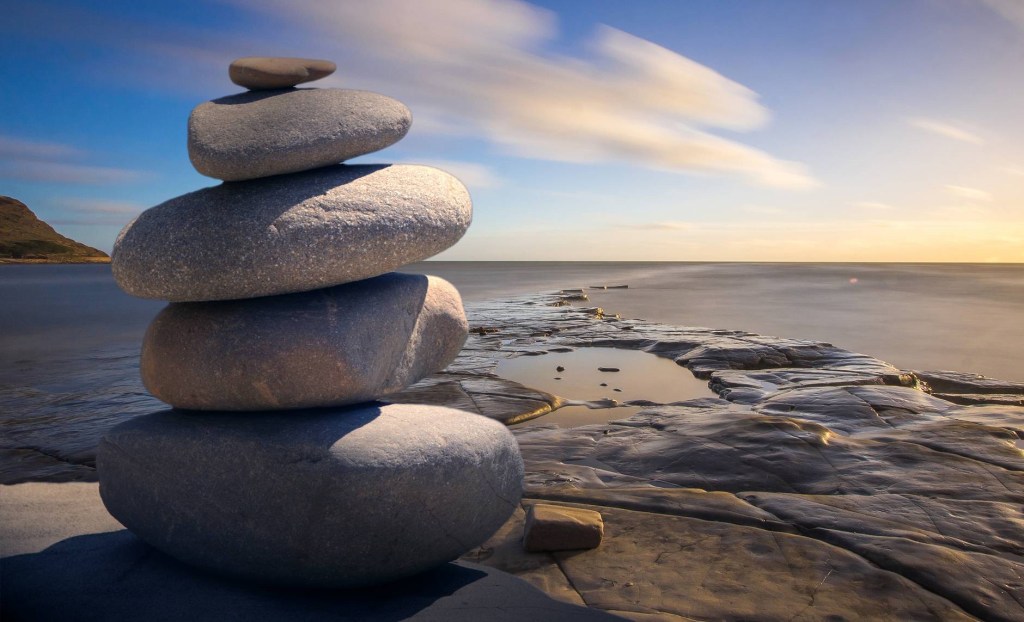
The common symbol of mindfulness are very often such stacked stones – maybe because you have to be very careful while stacking them up…
Mindfulness – that is a term we all may have heard but we do not really know what it means or how to do it practically. But that is a very essential question. How could we go a path of mindfulness on that little trip, if do not know anything about its term?
So just let‘s start very basically: What does the word “mindfulness“ literally mean? The dictionary says that “to be mindful“ is equal to “being aware“. So to be present in the now and to watch everything that is going on just in the present. That nearly all you can tell about mindfulness – basically. That sounds easy, doesn‘t it?
But it is the absolute opposite! Because when you do mindful exercises you always have to come out of the common way of thinking and being. One way to do that very effectively is to get an observing view. You just have to watch yourself as it was somebody else. What are your thoughts doing right now? Are they popping up like little fireflies? Or are there any thoughts at all?
Mindful exercises are not urgent exercises in dark and silent rooms where nothing can distract you. Mindfulness also is not the same like meditation. Mindfulness is if you perceive sensory impressions with great awareness. And also if you consider every step you do very carefully.
A short history of mindfulness
As you can see, mindfulness is very hard to describe. But it has a very long tradition. Being mindful isn‘t a invention by buddhists or hindus, as most of the western people think today. Mindfulness is a very mystical and religious way of life or practice that people have already used hundreds of years for getting some spiritual experiences.
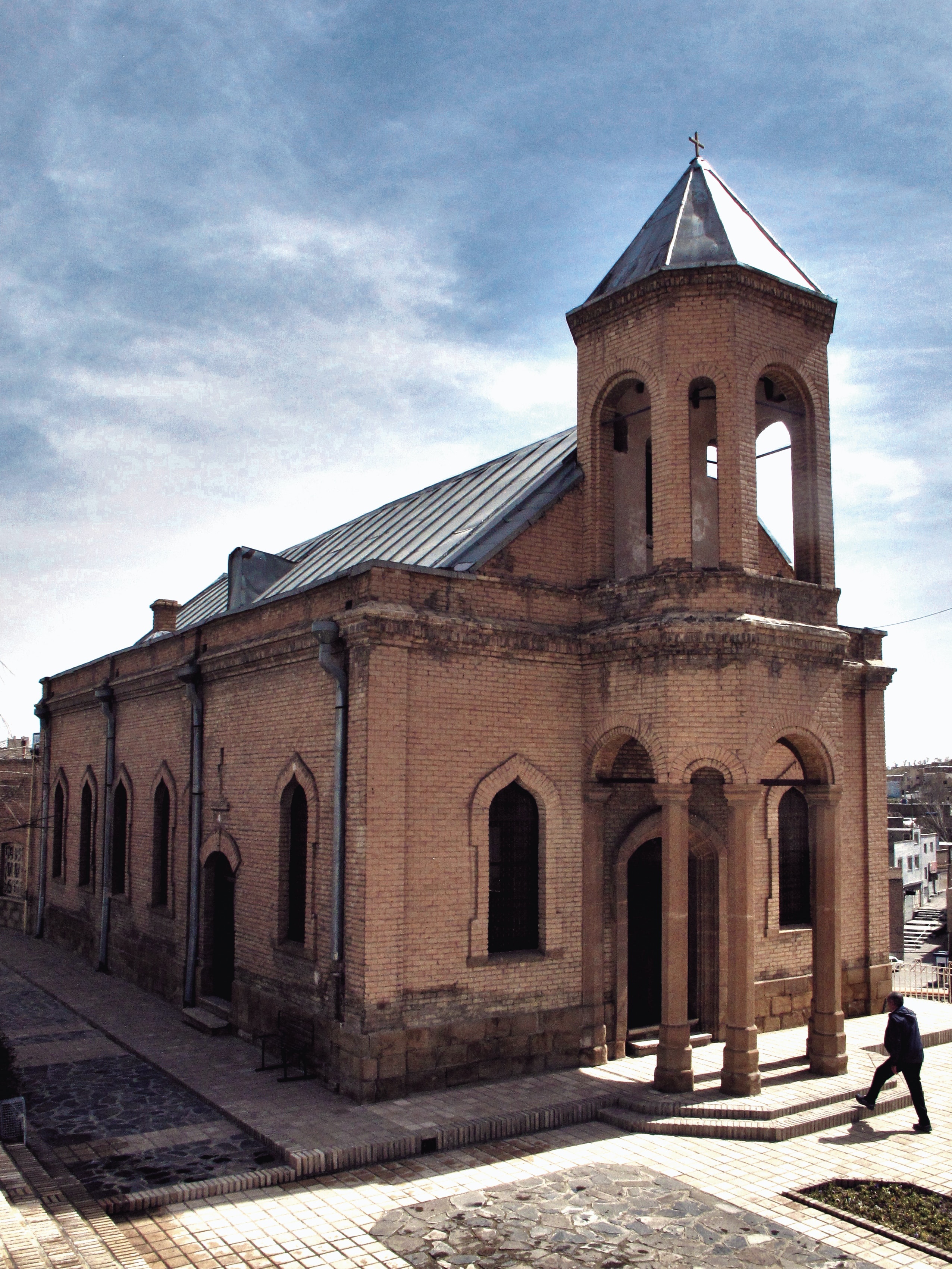
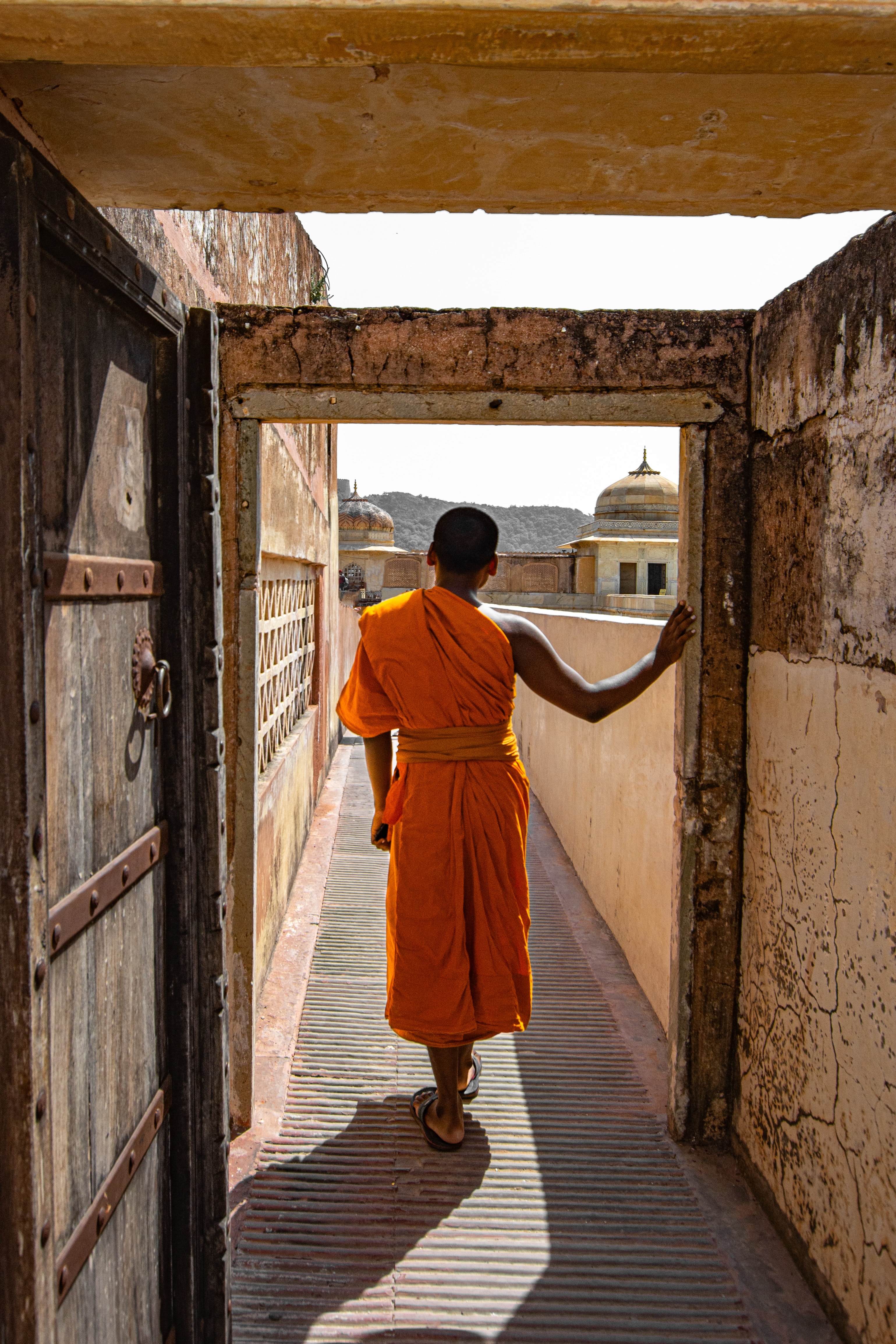
Maybe using mindfulness as a spiritual tool is as old as religions are. Or even a little bit older. It’s a bit like the question: What was first: The chicken or the egg? We’ll never know exactly. The only thing we really know today is that mindfulness wasn’t invented by buddhism and hinduism. Even if todays modern, western mindfulness teacher most of the time are at least inspired by that eastern religions and philosophies.
But that does not mean anything to us today. Mindfulness can also used and experienced in a secular, non-religious way. And because I really don’t want to exclude someone from that blog, this blog will be about secular things most of the time.
So maybe now it’s a good time for you just to have a look at how mindfulnes can be to you:
A short exercise on mindfulness
Maybe the following will sound a bit strange to you. And maybe also a bit esoteric. But give that exercise a chance. And probably it will refresh you. Just take you some time – maybe something like 5-10 minutes.
- Just look for a place where you can be for something like 5 – 10 minutes without any distractions. Even if that absolutely has not to be in a dark room that’s cuted from the environment.
- Take a seat so that you can stay in that position for the whole duration of this exercise.
- Just take deep breathes. In and again out.Try to get an „watching perspective“ against your thoughts. If there are some let them go like little clouds at the sky.
- Now try to feel where your breath goes. What parts of your body it touches.
- Now open your eyes and have a look. Where is what in your environment? And are there maybe details you’ve not seen before?
- Now try to find out how your environment smells like. And try to distinguish all the smells that are waffling around. And try to experience that huge mount of smells that are wraping you like a cloak. And try to immerse yourself into this impressions. Try just to be, not to think and so just to be.
I hope you’ve liked that exercise. If you want to, write me a comment down below and tell me how you felt.
⚠ Please notice: This exercise and blog is no psychological or psychiatric support.
Greetings! And looking forward to the next post / podcast episode!
Flo
 Florian L. Francesco Meidinger
Hinterlasse einen Kommentar